The 5 schema types that matter for AI citations: FAQPage (3.2x more likely to appear in AI Overviews), Article (essential for content sites), HowTo (for tutorials and guides), Product (for software/SaaS), and Organization (for brand authority).
Schema markup increases AI citation probability by 30-36%. Pages with FAQPage markup are 3.2x more likely to appear in Google AI Overviews.
This guide covers JSON-LD implementation with complete code examples, platform-specific requirements, and validation techniques.
Why Traditional Schema.org Markup Falls Short for AI Search
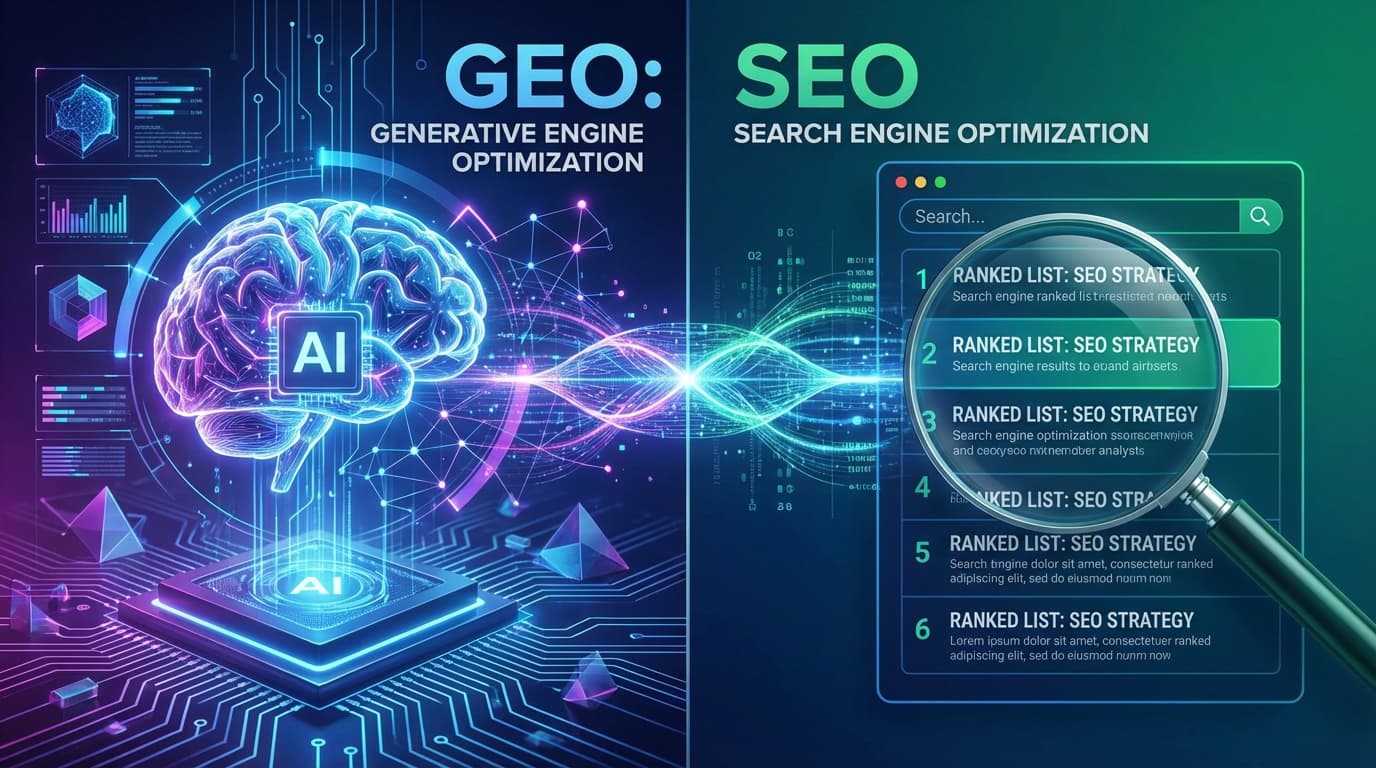
Schema.org markup was designed for traditional search engines to display rich snippets and knowledge panels. AI search engines, however, consume structured data differently. They don't just extract specific fields for visual display-they use the entire semantic graph to understand context, relationships, and authority.
The Critical Differences
Traditional SEO Schema:
- Optimized for rich snippet display
- Focused on specific properties (price, rating, availability)
- Minimal depth in entity relationships
- Primarily surface-level implementation
AI Search Schema:
- Requires comprehensive entity definitions
- Emphasizes relationships between entities
- Needs contextual depth across nested objects
- Demands semantic consistency across pages
The shift is fundamental: AI search engines use structured data as a bridge between your content and their understanding models, improving recognition of meaning and relevance to increase citation probability.
Platform-Specific Behavior
While Google states there's no special schema required for AI Overviews, independent research tells a different story. Controlled testing shows that pages with well-implemented schema achieve better organic rankings and are more likely to appear in AI Overviews.
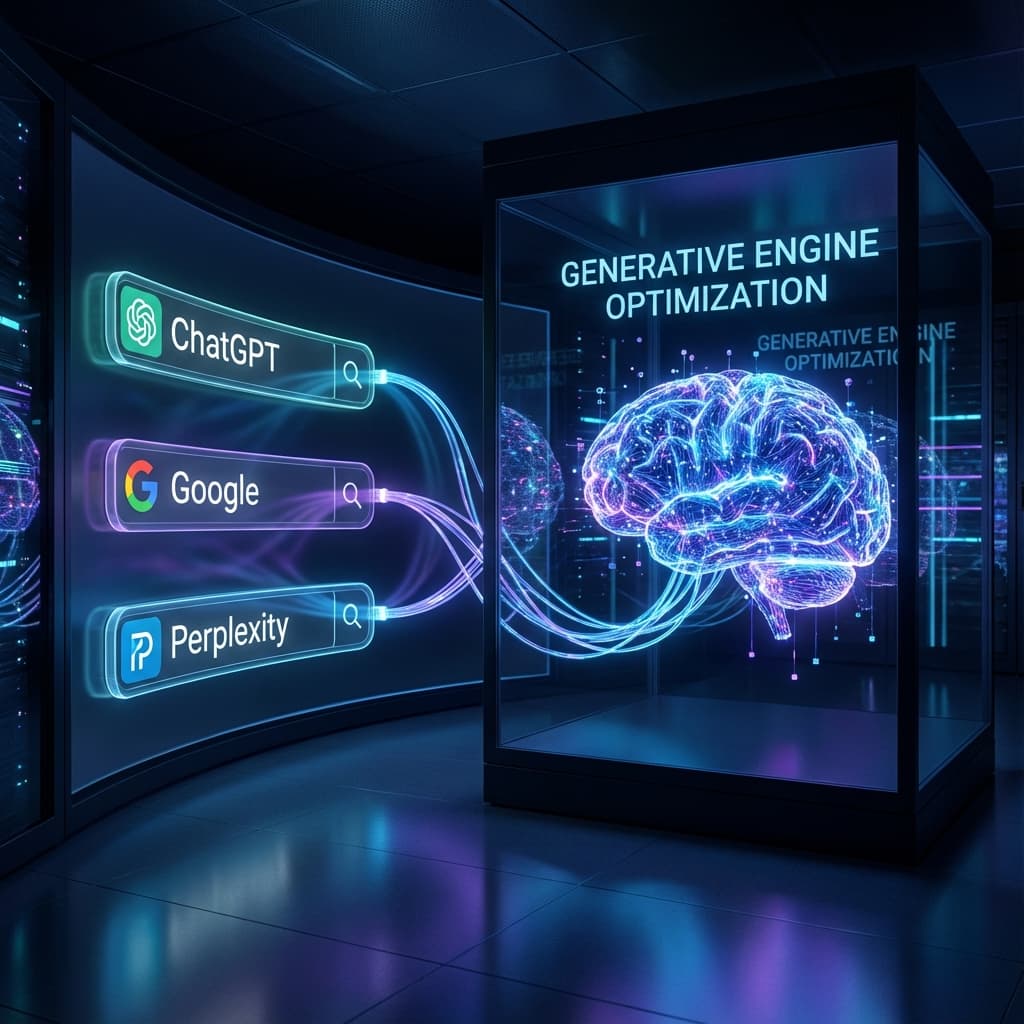
For AI chatbots, the picture is more nuanced. Current testing indicates that ChatGPT, Perplexity, and Claude don't directly consume JSON-LD during real-time retrieval, but they likely leverage schema during the indexing phase when building their knowledge bases. This means your structured data shapes how AI systems categorize and understand your content before a user ever asks a question.
Schema Types AI Engines Prioritize
Not all schema types carry equal weight in AI search. Based on citation analysis across major AI platforms, these schema types demonstrate the highest impact on visibility:
1. Article Schema (Essential for Content Sites)
Article schema is the foundation for any content-based site. AI engines use Article markup to identify authoritative sources, understand publication dates, and extract author credentials.
Complete Implementation:
{
  "@context": "https://schema.org",
  "@type": "Article",
  "headline": "AI Search Schema Markup: Complete Technical Guide",
  "description": "Master schema markup implementation for AI search engines with complete examples and validation strategies.",
  "image": {
    "@type": "ImageObject",
    "url": "https://example.com/images/schema-guide-hero.jpg",
    "width": 1200,
    "height": 630,
    "caption": "Technical diagram of JSON-LD schema structure"
  },
  "datePublished": "2026-01-08T09:00:00+00:00",
  "dateModified": "2026-01-08T09:00:00+00:00",
  "author": {
    "@type": "Person",
    "name": "Jane Smith",
    "url": "https://example.com/authors/jane-smith",
    "jobTitle": "Senior SEO Architect",
    "affiliation": {
      "@type": "Organization",
      "name": "Citedify",
      "url": "https://citedify.com"
    }
  },
  "publisher": {
    "@type": "Organization",
    "name": "Citedify",
    "url": "https://citedify.com",
    "logo": {
      "@type": "ImageObject",
      "url": "https://citedify.com/logo.png",
      "width": 600,
      "height": 60
    },
    "contactPoint": {
      "@type": "ContactPoint",
      "contactType": "Customer Service",
      "email": "support@citedify.com"
    }
  },
  "mainEntityOfPage": {
    "@type": "WebPage",
    "@id": "https://example.com/blog/schema-markup-guide"
  },
  "articleSection": "Technical SEO",
  "keywords": [
    "schema markup for ai search",
    "structured data seo",
    "json-ld for ai",
    "schema markup guide"
  ],
  "wordCount": 3500,
  "inLanguage": "en-US",
  "isAccessibleForFree": true,
  "copyrightYear": 2026,
  "copyrightHolder": {
    "@type": "Organization",
    "name": "Citedify"
  }
}
AI-Specific Enhancements:
- Include
articleSectionto help AI categorize content topically - Add comprehensive
authorentity with credentials and affiliation - Specify
wordCountto signal content depth - Use
keywordsarray for semantic clarity (despite traditional SEO avoiding this) - Include
isAccessibleForFreefor transparency
2. FAQPage Schema (Highest Citation Rate)
FAQ schema has one of the highest citation rates among structured data types, particularly for conversational AI interfaces. When users ask questions, AI engines scan for FAQPage markup to provide direct, authoritative answers.
Complete Implementation:
{
  "@context": "https://schema.org",
  "@type": "FAQPage",
  "mainEntity": [
    {
      "@type": "Question",
      "name": "What is JSON-LD schema markup?",
      "acceptedAnswer": {
        "@type": "Answer",
        "text": "<p>JSON-LD (JavaScript Object Notation for Linked Data) is a structured data format that uses JSON to implement Schema.org vocabulary. It's Google's recommended format because it separates structured data from HTML markup, making it easier to implement and maintain without affecting page rendering.</p>",
        "author": {
          "@type": "Person",
          "name": "Jane Smith"
        },
        "dateCreated": "2026-01-08T09:00:00+00:00"
      }
    },
    {
      "@type": "Question",
      "name": "How does schema markup improve AI search visibility?",
      "acceptedAnswer": {
        "@type": "Answer",
        "text": "<p>Schema markup provides AI engines with explicit semantic context about your content. While AI models can infer meaning from text, structured data eliminates ambiguity and establishes authoritative signals. Pages with proper schema are 3.2x more likely to appear in Google AI Overviews and see 36% higher citation rates in AI-generated responses across ChatGPT, Perplexity, and Claude.</p>",
        "author": {
          "@type": "Person",
          "name": "Jane Smith"
        },
        "dateCreated": "2026-01-08T09:00:00+00:00",
        "citation": [
          {
            "@type": "WebPage",
            "url": "https://example.com/research/faq-schema-study",
            "name": "FAQ Schema Research Study"
          }
        ]
      }
    },
    {
      "@type": "Question",
      "name": "Which AI search engines use schema markup?",
      "acceptedAnswer": {
        "@type": "Answer",
        "text": "<p>Google AI Overviews directly leverage schema during result generation. ChatGPT Search, Perplexity, and Claude use schema during their indexing phase to build knowledge graphs, though they don't consume JSON-LD during real-time retrieval. Bing Copilot also prioritizes schema-enhanced content. The key insight: schema shapes how AI systems categorize your content before user queries occur.</p>",
        "author": {
          "@type": "Person",
          "name": "Jane Smith"
        },
        "dateCreated": "2026-01-08T09:00:00+00:00"
      }
    }
  ],
  "about": {
    "@type": "Thing",
    "name": "Schema Markup",
    "description": "Structured data implementation for AI search engines"
  },
  "inLanguage": "en-US"
}
AI-Specific Enhancements:
- Include
authorfor each answer to establish expertise - Add
dateCreatedtimestamps for freshness signals - Use
citationobjects within answers to reference sources - Limit to 5-8 high-quality questions (AI engines prioritize quality over quantity)
- Include
aboutentity to establish topical context
3. HowTo Schema (Process and Instruction Content)
HowTo schema excels for technical guides, tutorials, and procedural content. AI engines use this markup to understand step-by-step processes and provide instructional citations.
Complete Implementation:
{
  "@context": "https://schema.org",
  "@type": "HowTo",
  "name": "How to Implement JSON-LD Schema Markup in Next.js",
  "description": "Step-by-step guide to adding structured data to Next.js applications with TypeScript examples and validation strategies.",
  "image": {
    "@type": "ImageObject",
    "url": "https://example.com/images/nextjs-schema-implementation.jpg",
    "width": 1200,
    "height": 675
  },
  "estimatedCost": {
    "@type": "MonetaryAmount",
    "currency": "USD",
    "value": "0"
  },
  "totalTime": "PT30M",
  "tool": [
    {
      "@type": "HowToTool",
      "name": "Next.js 14+",
      "url": "https://nextjs.org"
    },
    {
      "@type": "HowToTool",
      "name": "TypeScript",
      "url": "https://www.typescriptlang.org"
    },
    {
      "@type": "HowToTool",
      "name": "Google Rich Results Test",
      "url": "https://search.google.com/test/rich-results"
    }
  ],
  "supply": [
    {
      "@type": "HowToSupply",
      "name": "Next.js project with App Router"
    },
    {
      "@type": "HowToSupply",
      "name": "Schema.org vocabulary knowledge"
    }
  ],
  "step": [
    {
      "@type": "HowToStep",
      "position": 1,
      "name": "Create a Schema Component",
      "text": "Create a reusable TypeScript component for schema injection using Next.js Script component with type='application/ld+json'.",
      "url": "https://example.com/blog/schema-markup-guide#step-1",
      "image": "https://example.com/images/schema-step-1.jpg",
      "itemListElement": [
        {
          "@type": "HowToDirection",
          "text": "Create a new file: components/schema/JsonLd.tsx"
        },
        {
          "@type": "HowToDirection",
          "text": "Import Next.js Script component from next/script"
        },
        {
          "@type": "HowToDirection",
          "text": "Define TypeScript interface for schema props accepting generic schema types"
        },
        {
          "@type": "HowToDirection",
          "text": "Implement component that serializes schema object to JSON string"
        }
      ]
    },
    {
      "@type": "HowToStep",
      "position": 2,
      "name": "Define Schema Data Structure",
      "text": "Create TypeScript interfaces or types for your schema data to ensure type safety and IDE autocomplete.",
      "url": "https://example.com/blog/schema-markup-guide#step-2",
      "image": "https://example.com/images/schema-step-2.jpg",
      "itemListElement": [
        {
          "@type": "HowToDirection",
          "text": "Create types directory for schema definitions"
        },
        {
          "@type": "HowToDirection",
          "text": "Define interfaces matching Schema.org types (Article, Organization, Person)"
        },
        {
          "@type": "HowToDirection",
          "text": "Include all required and recommended properties for AI comprehension"
        }
      ]
    },
    {
      "@type": "HowToStep",
      "position": 3,
      "name": "Implement Schema in Page Components",
      "text": "Import and render your schema component within page layouts, passing structured data as props.",
      "url": "https://example.com/blog/schema-markup-guide#step-3",
      "image": "https://example.com/images/schema-step-3.jpg",
      "itemListElement": [
        {
          "@type": "HowToDirection",
          "text": "Import JsonLd component into your page or layout"
        },
        {
          "@type": "HowToDirection",
          "text": "Construct schema data object with all required fields"
        },
        {
          "@type": "HowToDirection",
          "text": "Render JsonLd component in page head or body"
        }
      ]
    },
    {
      "@type": "HowToStep",
      "position": 4,
      "name": "Validate Schema Implementation",
      "text": "Use Google Rich Results Test and Schema.org Validator to verify markup correctness and completeness.",
      "url": "https://example.com/blog/schema-markup-guide#step-4",
      "image": "https://example.com/images/schema-step-4.jpg",
      "itemListElement": [
        {
          "@type": "HowToDirection",
          "text": "Deploy changes to staging or production environment"
        },
        {
          "@type": "HowToDirection",
          "text": "Test URLs using Google Rich Results Test"
        },
        {
          "@type": "HowToDirection",
          "text": "Validate JSON-LD syntax using Schema.org Validator"
        },
        {
          "@type": "HowToDirection",
          "text": "Check for required field warnings and resolve them"
        }
      ]
    }
  ],
  "about": {
    "@type": "Thing",
    "name": "JSON-LD Implementation",
    "description": "Technical implementation of Schema.org markup in modern web frameworks"
  },
  "inLanguage": "en-US"
}
AI-Specific Enhancements:
- Break steps into granular
HowToDirectionitems for AI parsing - Include
totalTimeestimate for user planning - Specify
toolandsupplyarrays for prerequisite clarity - Add
urlanchors to individual steps for deep linking - Use
positionexplicitly to maintain logical sequence
4. Product Schema (E-commerce and SaaS)
Product schema is critical for any transactional or product-focused content. AI engines prioritize comprehensive product data when answering purchase-intent queries.
Complete Implementation:
{
  "@context": "https://schema.org",
  "@type": "Product",
  "name": "Enterprise SEO Platform with AI Citation Tracking",
  "description": "Monitor your brand visibility across ChatGPT, Perplexity, Claude, and Google AI Overviews. Get actionable insights to improve AI search rankings and track citation performance over time.",
  "image": [
    "https://example.com/images/product-hero.jpg",
    "https://example.com/images/product-dashboard.jpg",
    "https://example.com/images/product-analytics.jpg"
  ],
  "brand": {
    "@type": "Brand",
    "name": "Citedify",
    "logo": "https://citedify.com/logo.png",
    "url": "https://citedify.com"
  },
  "manufacturer": {
    "@type": "Organization",
    "name": "Citedify Inc.",
    "url": "https://citedify.com"
  },
  "category": "Software > Business Software > SEO Tools",
  "sku": "CITE-ENT-2026",
  "gtin": "00012345678901",
  "offers": {
    "@type": "Offer",
    "url": "https://citedify.com/pricing",
    "priceCurrency": "USD",
    "price": "299.00",
    "priceValidUntil": "2026-12-31",
    "availability": "https://schema.org/InStock",
    "seller": {
      "@type": "Organization",
      "name": "Citedify Inc.",
      "url": "https://citedify.com"
    },
    "itemCondition": "https://schema.org/NewCondition",
    "hasMerchantReturnPolicy": {
      "@type": "MerchantReturnPolicy",
      "returnPolicyCategory": "https://schema.org/MerchantReturnFiniteReturnWindow",
      "merchantReturnDays": 30,
      "returnMethod": "https://schema.org/ReturnByMail",
      "returnFees": "https://schema.org/FreeReturn"
    },
    "shippingDetails": {
      "@type": "OfferShippingDetails",
      "shippingRate": {
        "@type": "MonetaryAmount",
        "value": "0",
        "currency": "USD"
      },
      "deliveryTime": {
        "@type": "ShippingDeliveryTime",
        "handlingTime": {
          "@type": "QuantitativeValue",
          "minValue": 0,
          "maxValue": 0,
          "unitCode": "DAY"
        },
        "transitTime": {
          "@type": "QuantitativeValue",
          "minValue": 0,
          "maxValue": 0,
          "unitCode": "DAY"
        }
      }
    },
    "eligibleRegion": {
      "@type": "GeoShape",
      "addressCountry": ["US", "CA", "GB", "AU", "EU"]
    }
  },
  "aggregateRating": {
    "@type": "AggregateRating",
    "ratingValue": "4.8",
    "bestRating": "5",
    "worstRating": "1",
    "ratingCount": 127,
    "reviewCount": 89
  },
  "review": [
    {
      "@type": "Review",
      "reviewRating": {
        "@type": "Rating",
        "ratingValue": "5",
        "bestRating": "5"
      },
      "author": {
        "@type": "Person",
        "name": "Sarah Chen",
        "jobTitle": "Head of SEO",
        "worksFor": {
          "@type": "Organization",
          "name": "TechCorp Solutions"
        }
      },
      "datePublished": "2025-12-15",
      "reviewBody": "Citedify transformed our AI search strategy. We saw a 340% increase in AI citations within 60 days of implementing their recommendations. The platform's multi-engine tracking gives us unprecedented visibility into how ChatGPT, Perplexity, and Google AI Overviews reference our brand.",
      "publisher": {
        "@type": "Organization",
        "name": "Citedify"
      }
    }
  ],
  "additionalProperty": [
    {
      "@type": "PropertyValue",
      "name": "Deployment Model",
      "value": "Cloud-based SaaS"
    },
    {
      "@type": "PropertyValue",
      "name": "API Access",
      "value": "RESTful API included"
    },
    {
      "@type": "PropertyValue",
      "name": "Data Retention",
      "value": "Unlimited historical data"
    },
    {
      "@type": "PropertyValue",
      "name": "Integrations",
      "value": "Google Analytics, Search Console, Slack"
    }
  ],
  "audience": {
    "@type": "PeopleAudience",
    "audienceType": "SEO Professionals, Marketing Teams, Enterprise Brands"
  },
  "isRelatedTo": [
    {
      "@type": "Product",
      "name": "Google Search Console",
      "url": "https://search.google.com/search-console"
    },
    {
      "@type": "Product",
      "name": "SEMrush"
    }
  ]
}
AI-Specific Enhancements:
- Include comprehensive
additionalPropertyarray for technical specifications - Add detailed
hasMerchantReturnPolicyfor trust signals - Specify
audienceto help AI match products to user intent - Use
isRelatedToto establish competitive/complementary context - Include multiple
reviewobjects with detailedauthorentities
5. Organization Schema (Brand Authority)
Organization schema establishes your brand's identity, authority, and relationships across the web. This is foundational for entity recognition in AI knowledge graphs.
Complete Implementation:
{
  "@context": "https://schema.org",
  "@type": "Organization",
  "name": "Citedify",
  "legalName": "Citedify Inc.",
  "url": "https://citedify.com",
  "logo": {
    "@type": "ImageObject",
    "url": "https://citedify.com/logo.png",
    "width": 600,
    "height": 60
  },
  "image": "https://citedify.com/og-image.jpg",
  "description": "AI search visibility platform that audits brand citations across ChatGPT, Perplexity, Claude, and Google AI Overviews. Track, analyze, and improve your presence in AI-generated search results.",
  "foundingDate": "2024-03-15",
  "founders": [
    {
      "@type": "Person",
      "name": "John Doe",
      "jobTitle": "CEO & Co-Founder",
      "url": "https://citedify.com/about/john-doe"
    },
    {
      "@type": "Person",
      "name": "Jane Smith",
      "jobTitle": "CTO & Co-Founder",
      "url": "https://citedify.com/about/jane-smith"
    }
  ],
  "address": {
    "@type": "PostalAddress",
    "streetAddress": "123 Tech Avenue, Suite 400",
    "addressLocality": "San Francisco",
    "addressRegion": "CA",
    "postalCode": "94105",
    "addressCountry": "US"
  },
  "contactPoint": [
    {
      "@type": "ContactPoint",
      "telephone": "+1-415-555-0123",
      "contactType": "Customer Service",
      "email": "support@citedify.com",
      "availableLanguage": ["English"],
      "areaServed": ["US", "CA", "GB", "AU"]
    },
    {
      "@type": "ContactPoint",
      "telephone": "+1-415-555-0124",
      "contactType": "Sales",
      "email": "sales@citedify.com",
      "availableLanguage": ["English"],
      "areaServed": ["US", "CA", "GB", "AU"]
    }
  ],
  "sameAs": [
    "https://twitter.com/citedify",
    "https://www.linkedin.com/company/citedify",
    "https://github.com/citedify"
  ],
  "email": "hello@citedify.com",
  "telephone": "+1-415-555-0123",
  "numberOfEmployees": {
    "@type": "QuantitativeValue",
    "value": 25
  },
  "aggregateRating": {
    "@type": "AggregateRating",
    "ratingValue": "4.8",
    "reviewCount": 89,
    "bestRating": "5",
    "worstRating": "1"
  },
  "brand": {
    "@type": "Brand",
    "name": "Citedify",
    "logo": "https://citedify.com/logo.png"
  },
  "slogan": "See Where AI Sees You",
  "knowsAbout": [
    "SEO",
    "AI Search Optimization",
    "Generative Engine Optimization",
    "Brand Monitoring",
    "Citation Analysis",
    "Search Engine Marketing"
  ],
  "award": [
    "Best SEO Innovation 2025 - Search Engine Journal",
    "Top AI Marketing Tool 2025 - G2 Crowd"
  ],
  "parentOrganization": {
    "@type": "Organization",
    "name": "Tech Ventures Group"
  }
}
AI-Specific Enhancements:
- Comprehensive
sameAsarray linking all official brand presences - Detailed
contactPointarray with specific contact types knowsAboutarray establishing topical expertisefoundersandnumberOfEmployeesfor brand credibilityawardarray for authority signals
AI-Specific Structured Data Best Practices
1. Prioritize Semantic Completeness Over Minimal Compliance
Traditional SEO often implements only required schema properties. AI engines, however, reward comprehensive semantic graphs. Include every relevant attribute in your schema-if you track it in your database, it should be in your markup.
Before (Minimal Implementation):
{
  "@context": "https://schema.org",
  "@type": "Article",
  "headline": "Schema Markup Guide",
  "author": {
    "@type": "Person",
    "name": "Jane Smith"
  },
  "datePublished": "2026-01-08"
}
After (AI-Optimized Implementation):
{
  "@context": "https://schema.org",
  "@type": "Article",
  "headline": "Schema Markup Guide",
  "alternativeHeadline": "Complete Technical Guide to JSON-LD for AI Search",
  "description": "Master schema implementation with working examples for ChatGPT, Perplexity, Claude, and Google AI Overviews.",
  "author": {
    "@type": "Person",
    "name": "Jane Smith",
    "jobTitle": "Senior SEO Architect",
    "url": "https://example.com/authors/jane-smith",
    "sameAs": [
      "https://twitter.com/janesmith_seo",
      "https://www.linkedin.com/in/janesmithseo"
    ],
    "affiliation": {
      "@type": "Organization",
      "name": "Citedify",
      "url": "https://citedify.com"
    }
  },
  "datePublished": "2026-01-08T09:00:00+00:00",
  "dateModified": "2026-01-08T09:00:00+00:00",
  "publisher": {
    "@type": "Organization",
    "name": "Citedify",
    "logo": {
      "@type": "ImageObject",
      "url": "https://citedify.com/logo.png"
    }
  },
  "articleSection": "Technical SEO",
  "keywords": ["schema markup", "JSON-LD", "AI search", "structured data"],
  "wordCount": 3500,
  "inLanguage": "en-US",
  "about": {
    "@type": "Thing",
    "name": "Schema Markup",
    "description": "Structured data implementation for search engines"
  },
  "mentions": [
    {
      "@type": "SoftwareApplication",
      "name": "ChatGPT",
      "applicationCategory": "AI Search Engine"
    },
    {
      "@type": "SoftwareApplication",
      "name": "Perplexity",
      "applicationCategory": "AI Search Engine"
    }
  ]
}
The enhanced version provides AI engines with author authority, topical context, entity relationships, and semantic clarity that minimal implementations lack.
2. Maintain Absolute Content-Schema Alignment
The key to success lies in avoiding common mistakes like mismatched content or missing required fields. AI engines cross-reference schema properties with visible page content. Discrepancies trigger trust penalties that reduce citation likelihood.
Critical Alignment Rules:
- Headline/Title: Must match H1 or page title exactly (or be a reasonable variation)
- Author: Must appear visibly on the page with byline or author bio
- Date: Published/modified dates must be accurate and visible
- Price: Product prices in schema must match displayed prices
- Ratings: Review scores must reflect actual user reviews
- Images: Image URLs must resolve and match content context
3. Implement Entity Relationships and Cross-References
AI engines build knowledge graphs by connecting entities. Use schema to explicitly define relationships:
Example: Author-to-Organization Connection:
{
  "@context": "https://schema.org",
  "@graph": [
    {
      "@type": "Article",
      "@id": "https://example.com/blog/schema-guide",
      "headline": "Schema Markup Guide",
      "author": {
        "@id": "https://example.com/authors/jane-smith"
      },
      "publisher": {
        "@id": "https://citedify.com/#organization"
      }
    },
    {
      "@type": "Person",
      "@id": "https://example.com/authors/jane-smith",
      "name": "Jane Smith",
      "jobTitle": "Senior SEO Architect",
      "worksFor": {
        "@id": "https://citedify.com/#organization"
      },
      "url": "https://example.com/authors/jane-smith"
    },
    {
      "@type": "Organization",
      "@id": "https://citedify.com/#organization",
      "name": "Citedify",
      "url": "https://citedify.com",
      "logo": {
        "@type": "ImageObject",
        "url": "https://citedify.com/logo.png"
      }
    }
  ]
}
Using @graph and @id references creates a semantic network that AI engines can traverse to understand entity relationships and authority chains.
4. Add Temporal and Geographic Context
AI engines prioritize fresh, relevant content. Use schema to signal timeliness and location relevance:
{
  "@context": "https://schema.org",
  "@type": "Event",
  "name": "AI Search Optimization Summit 2026",
  "startDate": "2026-06-15T09:00:00-07:00",
  "endDate": "2026-06-17T17:00:00-07:00",
  "eventStatus": "https://schema.org/EventScheduled",
  "eventAttendanceMode": "https://schema.org/MixedEventAttendanceMode",
  "location": [
    {
      "@type": "Place",
      "name": "Moscone Center",
      "address": {
        "@type": "PostalAddress",
        "streetAddress": "747 Howard St",
        "addressLocality": "San Francisco",
        "addressRegion": "CA",
        "postalCode": "94103",
        "addressCountry": "US"
      },
      "geo": {
        "@type": "GeoCoordinates",
        "latitude": "37.7842",
        "longitude": "-122.4016"
      }
    },
    {
      "@type": "VirtualLocation",
      "url": "https://example.com/virtual-summit"
    }
  ],
  "temporalCoverage": "2026-06-15/2026-06-17"
}
5. Leverage Citation and Source Attribution
When making claims or referencing research, use schema to attribute sources-this builds authority for AI engines:
{
  "@context": "https://schema.org",
  "@type": "Article",
  "headline": "AI Search Statistics 2026",
  "citation": [
    {
      "@type": "ScholarlyArticle",
      "headline": "Impact of Structured Data on AI Citations",
      "author": {
        "@type": "Person",
        "name": "Dr. Sarah Chen"
      },
      "datePublished": "2025-11-12",
      "url": "https://research.example.com/ai-citations-study",
      "publisher": {
        "@type": "Organization",
        "name": "Journal of Search Technology"
      }
    }
  ],
  "about": {
    "@type": "Thing",
    "name": "AI Search Optimization"
  }
}
Testing and Validation Tools for AI Comprehension
Validation extends beyond syntax checking. You need to verify that AI engines can parse and understand your schema in context.
Essential Validation Tools
1. Google Rich Results Test
- URL: https://search.google.com/test/rich-results
- Purpose: Validates Google-specific schema requirements
- AI Relevance: Google AI Overviews use the same validation logic
- Key Checks: Required fields, valid URLs, image dimensions, proper types
2. Schema.org Validator
- URL: https://validator.schema.org/
- Purpose: Validates against official Schema.org specifications
- AI Relevance: Ensures broad compatibility across AI platforms
- Key Checks: Syntax errors, type compatibility, property validity
3. Google Search Console Rich Results Report
- URL: https://search.google.com/search-console
- Purpose: Monitors schema status across indexed pages
- AI Relevance: Identifies schema errors affecting AI Overview eligibility
- Key Checks: Coverage issues, validation errors, enhancement opportunities
4. Bing Webmaster Tools Markup Validator
- URL: https://www.bing.com/webmasters
- Purpose: Validates schema for Bing and Bing Copilot
- AI Relevance: Bing Copilot heavily relies on structured data
- Key Checks: Microsoft-specific requirements, entity recognition
AI-Specific Testing Protocol
Beyond automated validation, manually verify AI comprehension:
Step 1: Deploy Schema to Staging Implement schema on a test environment first to catch issues before production.
Step 2: Validate Syntax Run URLs through Rich Results Test and Schema.org Validator. Resolve all errors and warnings.
Step 3: Test AI Retrieval Query ChatGPT Search, Perplexity, and Google with relevant prompts. Monitor if your content appears in citations with schema-enhanced context.
Step 4: Cross-Reference Schema with Page Content Manually verify every schema property has a corresponding visible element on the page.
Step 5: Monitor Search Console Check for validation errors or warnings in Google Search Console's Rich Results report.
Step 6: Iterate Based on Citation Performance Track which pages earn AI citations. Analyze their schema implementations for patterns to replicate across other pages.
Common Schema Mistakes That Confuse AI Engines
Mistake 1: Inconsistent Entity References
Problem: Using different names or IDs for the same entity across pages confuses AI knowledge graphs.
Wrong:
// Page 1
{
  "@type": "Organization",
  "name": "Citedify Inc."
}

// Page 2
{
  "@type": "Organization",
  "name": "Citedify"
}

// Page 3
{
  "@type": "Organization",
  "name": "Citedify.com"
}
Correct:
// All Pages
{
  "@type": "Organization",
  "@id": "https://citedify.com/#organization",
  "name": "Citedify",
  "legalName": "Citedify Inc.",
  "url": "https://citedify.com"
}
Mistake 2: Missing Required Contextual Properties
Problem: Implementing schema types without essential context properties.
Wrong:
{
  "@type": "Review",
  "reviewRating": {
    "@type": "Rating",
    "ratingValue": "5"
  },
  "reviewBody": "Great product!"
}
Correct:
{
  "@type": "Review",
  "itemReviewed": {
    "@type": "Product",
    "name": "Enterprise SEO Platform",
    "brand": {
      "@type": "Brand",
      "name": "Citedify"
    }
  },
  "reviewRating": {
    "@type": "Rating",
    "ratingValue": "5",
    "bestRating": "5",
    "worstRating": "1"
  },
  "author": {
    "@type": "Person",
    "name": "Sarah Chen"
  },
  "datePublished": "2025-12-15",
  "reviewBody": "Great product! The AI citation tracking transformed our SEO strategy.",
  "publisher": {
    "@type": "Organization",
    "name": "Citedify"
  }
}
Mistake 3: Duplicate Schema on Single Page
Problem:
Multiple schema blocks of the same type without @graph or @id differentiation.
Wrong:
<script type="application/ld+json">
{
  "@context": "https://schema.org",
  "@type": "Article",
  "headline": "Schema Guide"
}
</script>

<script type="application/ld+json">
{
  "@context": "https://schema.org",
  "@type": "Article",
  "headline": "Schema Guide"
}
</script>
Correct:
<script type="application/ld+json">
{
  "@context": "https://schema.org",
  "@graph": [
    {
      "@type": "Article",
      "@id": "https://example.com/blog/schema-guide",
      "headline": "Schema Guide"
    },
    {
      "@type": "BreadcrumbList",
      "itemListElement": [...]
    }
  ]
}
</script>
Mistake 4: Stale or Incorrect Timestamps
Problem: Hardcoded dates that don't reflect actual publication or modification times.
Wrong:
{
  "@type": "Article",
  "datePublished": "2024-01-01",
  "dateModified": "2024-01-01"
}
Correct (Dynamic Implementation):
// Next.js example
const articleSchema = {
  "@type": "Article",
  datePublished: article.publishedAt.toISOString(),
  dateModified: article.updatedAt.toISOString()
}
Mistake 5: Overly Generic Descriptions
Problem: Using vague descriptions that don't provide semantic value.
Wrong:
{
  "@type": "Product",
  "name": "Our Product",
  "description": "This is a great product for businesses."
}
Correct:
{
  "@type": "Product",
  "name": "Enterprise AI Citation Tracking Platform",
  "description": "Monitor brand visibility across ChatGPT, Perplexity, Claude, and Google AI Overviews. Track citation frequency, sentiment, and competitive positioning with automated audits and actionable recommendations."
}
Advanced Techniques: Nested Schemas, Dynamic Markup, and Format Comparison
Nested Schema Strategies
Complex content often requires nested schema types. AI engines can parse multi-level structures when properly formatted:
Example: Article with Embedded Video and FAQs:
{
  "@context": "https://schema.org",
  "@type": "Article",
  "headline": "Schema Markup Video Tutorial",
  "author": {
    "@type": "Person",
    "name": "Jane Smith"
  },
  "datePublished": "2026-01-08T09:00:00+00:00",
  "publisher": {
    "@type": "Organization",
    "name": "Citedify"
  },
  "video": {
    "@type": "VideoObject",
    "name": "How to Implement JSON-LD Schema",
    "description": "Step-by-step video tutorial for adding structured data to your website",
    "thumbnailUrl": "https://example.com/video-thumbnail.jpg",
    "uploadDate": "2026-01-08T09:00:00+00:00",
    "duration": "PT15M33S",
    "contentUrl": "https://example.com/videos/schema-tutorial.mp4",
    "embedUrl": "https://example.com/embed/schema-tutorial",
    "publisher": {
      "@type": "Organization",
      "name": "Citedify",
      "logo": {
        "@type": "ImageObject",
        "url": "https://citedify.com/logo.png"
      }
    }
  },
  "mainEntity": {
    "@type": "FAQPage",
    "mainEntity": [
      {
        "@type": "Question",
        "name": "What is JSON-LD?",
        "acceptedAnswer": {
          "@type": "Answer",
          "text": "JSON-LD is a structured data format using JSON to implement Schema.org vocabulary."
        }
      }
    ]
  }
}
Dynamic Schema Generation
Static schema doesn't scale for large content sites. Implement dynamic schema generation:
Next.js App Router Example:
// app/blog/[slug]/page.tsx
import { Metadata } from 'next';
import { getBlogPost } from '@/lib/blog';
import JsonLd from '@/components/schema/JsonLd';

interface BlogPostPageProps {
  params: { slug: string };
}

export async function generateMetadata({ params }: BlogPostPageProps): Promise<Metadata> {
  const post = await getBlogPost(params.slug);

  return {
    title: post.title,
    description: post.description,
  };
}

export default async function BlogPostPage({ params }: BlogPostPageProps) {
  const post = await getBlogPost(params.slug);

  const articleSchema = {
    '@context': 'https://schema.org',
    '@type': 'Article',
    '@id': `https://citedify.com/blog/${post.slug}`,
    headline: post.title,
    description: post.description,
    image: post.image,
    datePublished: post.publishedAt.toISOString(),
    dateModified: post.updatedAt.toISOString(),
    author: {
      '@type': 'Person',
      '@id': `https://citedify.com/authors/${post.author.slug}`,
      name: post.author.name,
      jobTitle: post.author.title,
      url: `https://citedify.com/authors/${post.author.slug}`,
    },
    publisher: {
      '@type': 'Organization',
      '@id': 'https://citedify.com/#organization',
      name: 'Citedify',
      url: 'https://citedify.com',
      logo: {
        '@type': 'ImageObject',
        url: 'https://citedify.com/logo.png',
      },
    },
    articleSection: post.category,
    keywords: post.keywords,
    wordCount: post.content.split(' ').length,
    inLanguage: 'en-US',
  };

  return (
    <>
      <JsonLd data={articleSchema} />
      <article>
        <h1>{post.title}</h1>
        {/* Article content */}
      </article>
    </>
  );
}
Reusable JsonLd Component:
// components/schema/JsonLd.tsx
import Script from 'next/script';

interface JsonLdProps {
  data: Record<string, any>;
}

export default function JsonLd({ data }: JsonLdProps) {
  return (
    <Script
      id={`json-ld-${data['@type']?.toLowerCase() || 'schema'}`}
      type="application/ld+json"
      dangerouslySetInnerHTML={{
        __html: JSON.stringify(data, null, 2),
      }}
    />
  );
}
JSON-LD vs Microdata: Format Comparison
JSON-LD (Recommended for AI Search):
Advantages:
- Separate from HTML, easier to manage and validate
- Google's recommended format
- Simpler for dynamic content generation
- No risk of breaking page rendering
- Easier to test and debug
Disadvantages:
- Not visible to users (purely machine-readable)
- Can become out of sync with page content if not properly maintained
Microdata:
Advantages:
- Inline with HTML, guarantees content alignment
- Visible to both users and machines
- Some evidence suggests better real-time comprehension by AI agents
Disadvantages:
- More complex to implement and maintain
- Can clutter HTML markup
- Harder to validate and debug
- Less flexible for complex nested structures
Dual Implementation Strategy:
For maximum AI compatibility, some practitioners implement both:
<!-- JSON-LD for comprehensive entity definition -->
<script type="application/ld+json">
{
  "@context": "https://schema.org",
  "@type": "Article",
  "headline": "Schema Markup Guide",
  "author": {
    "@type": "Person",
    "name": "Jane Smith"
  }
}
</script>

<!-- Microdata for critical inline properties -->
<article itemscope itemtype="https://schema.org/Article">
  <h1 itemprop="headline">Schema Markup Guide</h1>
  <p>By <span itemprop="author" itemscope itemtype="https://schema.org/Person">
    <span itemprop="name">Jane Smith</span>
  </span></p>
</article>
This defensive strategy uses JSON-LD for comprehensive definitions and microdata for the most critical properties during direct page access.
Performance Considerations and Implementation Patterns
Schema File Size and Load Impact
Large schema blocks can impact page performance. Optimize strategically:
1. Implement Schema Server-Side Generate schema during server-side rendering to avoid client-side processing overhead.
2. Minimize Schema Bloat Remove unnecessary whitespace and null values in production:
// Development (readable)
const schema = {
  "@context": "https://schema.org",
  "@type": "Article",
  "headline": "Schema Guide"
};

// Production (minified)
const productionSchema = JSON.stringify(schema); // No pretty printing
3. Lazy Load Non-Critical Schema For complex pages, load secondary schema types after initial render:
'use client';

import { useEffect, useState } from 'react';
import JsonLd from '@/components/schema/JsonLd';

export default function ProductPage({ product }) {
  const [showReviews, setShowReviews] = useState(false);

  useEffect(() => {
    // Load review schema after page interactive
    setShowReviews(true);
  }, []);

  const productSchema = {
    '@type': 'Product',
    name: product.name,
    // ... core product properties
  };

  const reviewSchema = {
    '@type': 'Review',
    itemReviewed: { '@type': 'Product', name: product.name },
    // ... review properties
  };

  return (
    <>
      <JsonLd data={productSchema} />
      {showReviews && <JsonLd data={reviewSchema} />}
      {/* Product UI */}
    </>
  );
}
Centralized Schema Management
For enterprise sites, maintain schema in a centralized configuration:
// lib/schema/templates.ts
import { Article, Organization, Person } from '@/types/schema';

export const organizationSchema: Organization = {
  '@type': 'Organization',
  '@id': 'https://citedify.com/#organization',
  name: 'Citedify',
  legalName: 'Citedify Inc.',
  url: 'https://citedify.com',
  logo: {
    '@type': 'ImageObject',
    url: 'https://citedify.com/logo.png',
  },
  // ... other organization properties
};

export function createArticleSchema(
  article: {
    title: string;
    description: string;
    slug: string;
    publishedAt: Date;
    updatedAt: Date;
    author: { name: string; slug: string; title: string };
    category: string;
    keywords: string[];
    content: string;
  }
): Article {
  return {
    '@context': 'https://schema.org',
    '@type': 'Article',
    '@id': `https://citedify.com/blog/${article.slug}`,
    headline: article.title,
    description: article.description,
    datePublished: article.publishedAt.toISOString(),
    dateModified: article.updatedAt.toISOString(),
    author: {
      '@type': 'Person',
      '@id': `https://citedify.com/authors/${article.author.slug}`,
      name: article.author.name,
      jobTitle: article.author.title,
    },
    publisher: organizationSchema,
    articleSection: article.category,
    keywords: article.keywords,
    wordCount: article.content.split(' ').length,
    inLanguage: 'en-US',
  };
}
WordPress Implementation
For WordPress sites, use plugins or custom functions:
Custom Function Approach:
// functions.php
function citedify_add_article_schema() {
    if (is_single()) {
        global $post;

        $schema = array(
            '@context' => 'https://schema.org',
            '@type' => 'Article',
            'headline' => get_the_title(),
            'description' => get_the_excerpt(),
            'datePublished' => get_the_date('c'),
            'dateModified' => get_the_modified_date('c'),
            'author' => array(
                '@type' => 'Person',
                'name' => get_the_author(),
                'url' => get_author_posts_url(get_the_author_meta('ID'))
            ),
            'publisher' => array(
                '@type' => 'Organization',
                'name' => get_bloginfo('name'),
                'url' => home_url(),
                'logo' => array(
                    '@type' => 'ImageObject',
                    'url' => get_site_icon_url()
                )
            ),
            'image' => get_the_post_thumbnail_url($post->ID, 'full'),
            'articleSection' => get_the_category()[0]->name,
            'wordCount' => str_word_count(strip_tags($post->post_content))
        );

        echo '<script type="application/ld+json">';
        echo wp_json_encode($schema, JSON_UNESCAPED_SLASHES | JSON_PRETTY_PRINT);
        echo '</script>';
    }
}
add_action('wp_head', 'citedify_add_article_schema');
Platform-Specific Requirements and Optimization
Google AI Overviews
Priority Schema Types:
- Article (for informational content)
- FAQPage (3.2x higher appearance rate)
- HowTo (for instructional queries)
- Product (for commercial intent)
Specific Requirements:
- Must rank in top 10 organic results
- Adding FAQ schema increases AI Overview probability by ~40% for ranking pages
- Include comprehensive
imageobjects with proper dimensions - Maintain strict content-schema alignment
Optimization Strategy:
{
  "@context": "https://schema.org",
  "@type": "Article",
  "speakable": {
    "@type": "SpeakableSpecification",
    "cssSelector": [".headline", ".summary"]
  },
  "headline": "Schema Markup Guide",
  "description": "Complete technical guide with examples"
}
The speakable property helps Google identify which content sections are suitable for text-to-speech in AI Overviews.
ChatGPT Search
Priority Schema Types:
- Organization (brand recognition)
- Article (content authority)
- Person (author expertise)
Specific Requirements:
- ChatGPT Search cites well-structured pages regardless of traditional ranking
- Focus on comprehensive author entities with credentials
- Include
citationand source attribution when making claims - Emphasize topical expertise through
knowsAboutarrays
Optimization Strategy: Implement robust Organization schema on every page to establish brand entity:
{
  "@context": "https://schema.org",
  "@type": "WebPage",
  "publisher": {
    "@type": "Organization",
    "@id": "https://citedify.com/#organization",
    "name": "Citedify",
    "url": "https://citedify.com",
    "knowsAbout": [
      "AI Search Optimization",
      "Citation Tracking",
      "Generative Engine Optimization"
    ]
  }
}
Perplexity
Priority Schema Types:
- FAQPage (high citation rate for question-based queries)
- Product (for comparison and recommendation queries)
- HowTo (for instructional content)
Specific Requirements:
- Perplexity uses schema to quickly identify answers (e.g., Product schema flags price and review locations)
- Emphasize
aggregateRatingand review data for authority - Include detailed
additionalPropertyarrays for products - Use structured Q&A format in FAQPage
Optimization Strategy: Perplexity heavily weights recency, so emphasize temporal properties:
{
  "@context": "https://schema.org",
  "@type": "Article",
  "datePublished": "2026-01-08T09:00:00+00:00",
  "dateModified": "2026-01-08T09:00:00+00:00",
  "temporalCoverage": "2026"
}
Claude
Priority Schema Types:
- Article (content comprehension)
- Organization (entity recognition)
- Citation (source attribution)
Specific Requirements:
- Claude's web search is in early stages but emphasizes publisher authority
- Focus on comprehensive publisher objects with full timestamps
- Include structured
citationarrays for research-backed content - Align with Google's structured data guidelines
Optimization Strategy: Claude emphasizes source authority, so highlight credentials:
{
  "@context": "https://schema.org",
  "@type": "Article",
  "author": {
    "@type": "Person",
    "name": "Dr. Jane Smith",
    "honorificPrefix": "Dr.",
    "jobTitle": "Chief SEO Scientist",
    "affiliation": {
      "@type": "Organization",
      "name": "Stanford University"
    },
    "alumniOf": {
      "@type": "EducationalOrganization",
      "name": "MIT"
    }
  }
}
Validation Checklist: Pre-Deployment Schema Audit
Before deploying schema to production, complete this comprehensive checklist:
Syntax and Structure
- JSON-LD passes validation in Schema.org Validator
- No syntax errors in Google Rich Results Test
- All required properties present for schema type
- Proper nesting and hierarchy maintained
-
@contextset to "https://schema.org" - Consistent
@idreferences across related entities
Content Alignment
- Schema headline matches page H1 or title
- Author name appears visibly on page
- Publication/modification dates are accurate
- Images in schema resolve and match page content
- Prices match displayed values (for Product schema)
- Review scores reflect actual user ratings
AI-Specific Optimization
- Author entities include credentials and affiliations
- Organization schema includes
knowsAboutarray - Temporal properties use ISO 8601 format
-
descriptionfields provide semantic value (not generic) - Related entities connected via
@idreferences - Source attribution included via
citation(when applicable)
Platform Requirements
- Google: Speakable properties added for voice search
- ChatGPT: Comprehensive author and publisher entities
- Perplexity: Temporal coverage and recency signals
- Claude: Publisher authority and credentials emphasized
Performance
- Schema size optimized (minified in production)
- Critical schema loaded server-side
- Non-critical schema deferred when appropriate
- No duplicate schema blocks without
@graphstructure
Testing
- Validated in Google Search Console
- Checked in Bing Webmaster Tools
- Manual AI citation testing across platforms
- Cross-referenced with top-ranking competitors
- Monitored for validation errors post-deployment
Frequently Asked Questions
Does schema markup help with AI search engines like ChatGPT and Perplexity?
Yes, but indirectly. While ChatGPT, Perplexity, and Claude don't directly consume JSON-LD during real-time retrieval, they likely leverage schema during their indexing phase when building knowledge bases. Pages with well-implemented schema achieve better organic rankings and are more likely to appear in Google AI Overviews—which uses schema directly. Proper schema increases AI citation probability by 30-36% overall.
Which schema type has the highest impact on AI citations?
FAQPage schema has the highest citation rate among structured data types. Pages with FAQ schema are 3.2x more likely to appear in Google AI Overviews. For B2B SaaS, also prioritize Article schema (for content authority), HowTo schema (for tutorials), Product schema (for software details), and Organization schema (for brand identity in AI knowledge graphs).
Should I use JSON-LD or Microdata for AI search optimization?
Use JSON-LD as your primary format—it's Google's recommended approach, easier to implement, and simpler to validate. Some practitioners implement both JSON-LD for comprehensive entity definitions and Microdata for critical inline properties. JSON-LD separates structured data from HTML, making it easier to maintain without affecting page rendering.
What's the biggest schema markup mistake that hurts AI citations?
Inconsistent entity references across pages. Using different names or IDs for the same entity (like "Citedify Inc." on one page and "Citedify" on another) confuses AI knowledge graphs. Always use consistent @id references and identical entity naming throughout your site. Other common mistakes include mismatched content (schema says one thing, page says another) and missing required contextual properties.
How do I validate schema markup for AI search engines?
Use Google Rich Results Test for Google AI Overviews eligibility, Schema.org Validator for broad AI platform compatibility, and Bing Webmaster Tools for Bing Copilot requirements. Beyond automated validation, manually test AI retrieval by querying ChatGPT Search, Perplexity, and Google with relevant prompts. Monitor if your content appears in citations with schema-enhanced context.
Do different AI platforms require different schema implementations?
Each platform has preferences. Google AI Overviews directly leverage schema and favor FAQPage (40% higher appearance rate) and speakable properties. ChatGPT prioritizes comprehensive author and publisher entities with knowsAbout arrays. Perplexity weights recency heavily—emphasize temporal properties like dateModified. Claude emphasizes publisher authority and credentials. Implement comprehensive schema that covers all platforms rather than optimizing for just one.
Conclusion: Schema Markup as AI Search Foundation
The AI search landscape has transformed schema markup from an optional SEO enhancement into a critical visibility requirement. Without proper structured data implementation, sites risk losing up to 60% of their AI search visibility as ChatGPT, Perplexity, Claude, and Google AI Overviews continue reshaping how users discover information.
The key takeaways for technical implementation:
- Prioritize Semantic Completeness: AI engines reward comprehensive entity definitions over minimal compliance
- Maintain Absolute Alignment: Schema must precisely match visible page content to build trust
- Implement Entity Relationships: Use
@graphand@idto create semantic networks AI engines can traverse - Optimize for Each Platform: ChatGPT prioritizes author authority, Perplexity values recency, Claude emphasizes credentials
- Validate Rigorously: Combine automated testing with manual AI citation monitoring
Start with Article, FAQPage, and Organization schemas-these three types provide the foundation for AI comprehension across platforms. As you expand implementation, focus on comprehensive property coverage rather than simply meeting minimum requirements.
The brands earning consistent AI citations in 2026 share a common trait: they've moved beyond traditional SEO mindsets to embrace structured data as the universal language between human content and machine understanding. Your schema markup isn't just metadata-it's your content's voice in the AI search conversation.
Ready to see where you stand? Get your AI Visibility Audit — $499 one-time report with your score, competitor comparison, and 90-day action plan.